Overview
Obesity is a chronic medical condition associated with diabetes, hypertension, fatty liver disease, sleep apnea, and cardiovascular risk. Lifestyle changes and medications remain the cornerstone of treatment, but for some patients, procedural intervention offers a path to meaningful and sustained weight loss.
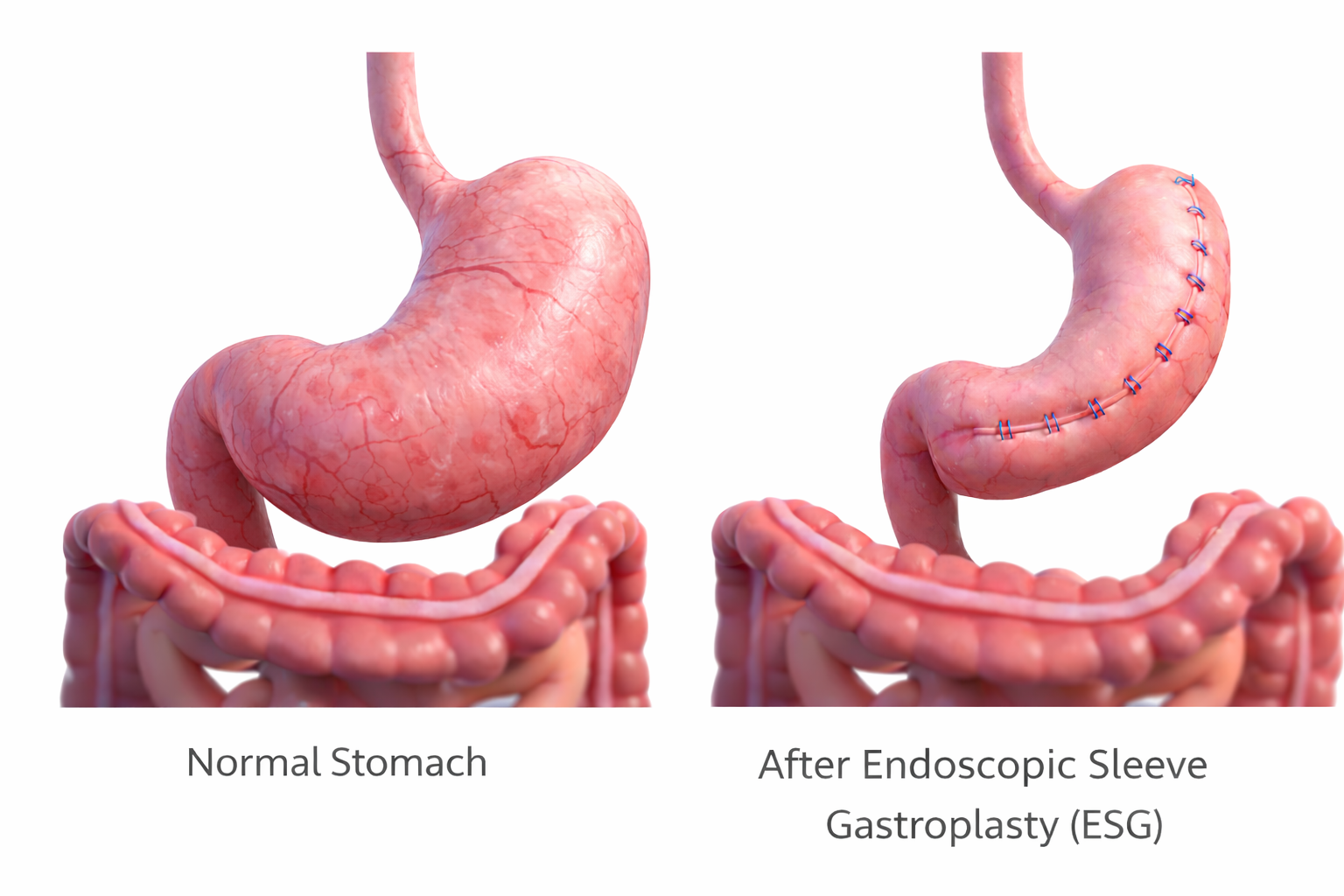
Endoscopic Sleeve Gastroplasty (ESG) is a minimally invasive, incision-free procedure that reduces stomach volume using advanced endoscopic suturing. Unlike traditional surgery, ESG reshapes the stomach from the inside, no external cuts, no tissue removal, and typically no overnight stay.
What Is ESG?
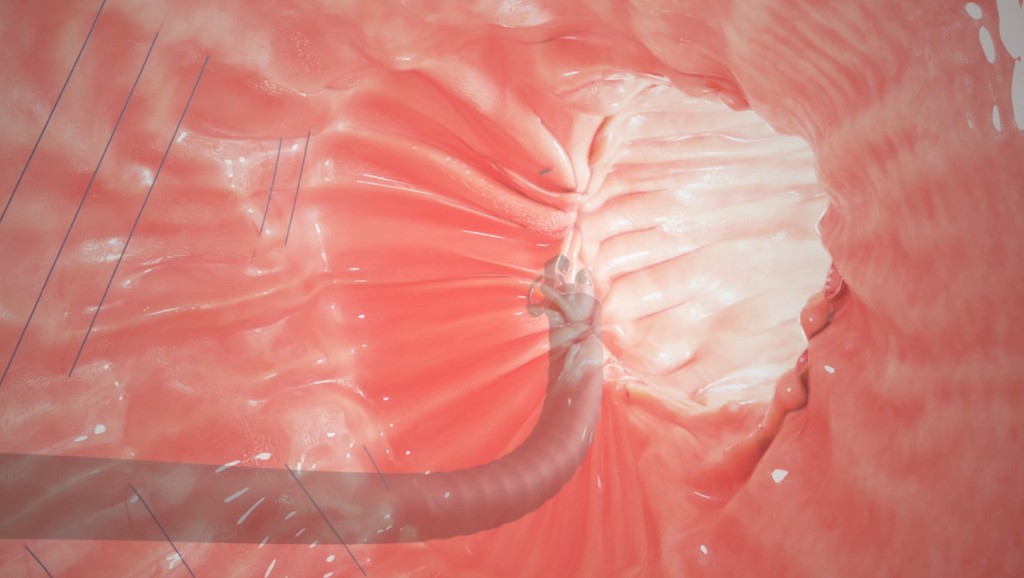
ESG is performed entirely through the mouth. A flexible endoscope is advanced into the stomach, where specialized suturing technology places folds along the stomach wall. These sutures reshape the organ into a narrower, sleeve-like configuration, reducing its capacity and helping patients feel full sooner with smaller portions.
Key distinctions from surgery:
- No external incisions, everything is done endoscopically through the mouth
- No removal of stomach tissue, the stomach is reshaped, not resected
- No surgical stapling, sutures create the new contour
The procedure typically takes 60-90 minutes. Most patients go home the same day and can resume normal activities within a few days.
Benefits of ESG
ESG offers several advantages for appropriately selected patients:
- Non-surgical and incision-free: avoids the risks of open or laparoscopic surgery
- Outpatient procedure: typically no hospitalization required
- Faster recovery: return to daily activities sooner than with traditional bariatric surgery
- No visible scars: all access is through the mouth
- Meaningful weight loss: average approximately 15% total body weight loss at one year when combined with structured follow-up
- Metabolic benefits: potential improvement in diabetes, hypertension, fatty liver disease, and sleep apnea
Who May Benefit?
ESG may be appropriate for patients with a body mass index (BMI) of 30 or higher who prefer a non-surgical approach and have not achieved sustained weight loss with lifestyle measures alone. It may also be considered for those seeking a bridge to more intensive intervention or who are not candidates for traditional bariatric surgery.
Success requires careful evaluation, appropriate patient selection, and a commitment to long-term follow-up. A multidisciplinary approach, including nutrition support and lifestyle counseling, enhances outcomes.
Final Perspective
Endoscopic Sleeve Gastroplasty offers a safe, minimally invasive option for selected patients seeking meaningful weight loss without surgery. Success depends on three pillars: appropriate patient selection, technical expertise of the performing physician, and the patient's commitment to lifestyle modification.
If you are considering ESG, the next step is a consultation with an experienced interventional gastroenterologist who can discuss your candidacy, expectations, and whether this procedure aligns with your goals.
Dr. Kalpit Devani, MD, FACP, FACG, FASGE is a board-certified interventional gastroenterologist based in Greenville, South Carolina, specializing in diagnostic and therapeutic EUS, complex ERCP, and endoscopic suturing.
Related Posts
Post-ERCP Pancreatitis in Malpractice Litigation: A Guide for Defense Attorneys
Post-ERCP pancreatitis is the most common ERCP complication and the most common ERCP malpractice claim. What defense counsel should know about risk, causation, and the record.
Read more →Choosing a Gastroenterology Expert Witness for an Advanced Endoscopy Case
Board certification does not tell you whether a gastroenterologist performs ERCP or EUS. How attorneys should evaluate an expert for an endoscopy case.
Read more →What Are Pancreatic Cysts? When to Worry and When to Watch
Pancreatic cysts are often found by chance on CT or MRI. Learn the main types—including IPMN, serous, mucinous, and pseudocyst—how EUS assesses risk, and when to watch vs intervene in Greenville and Upstate SC.
Read more →This article is for educational purposes only and does not constitute medical advice. Please consult your physician for individualized care.