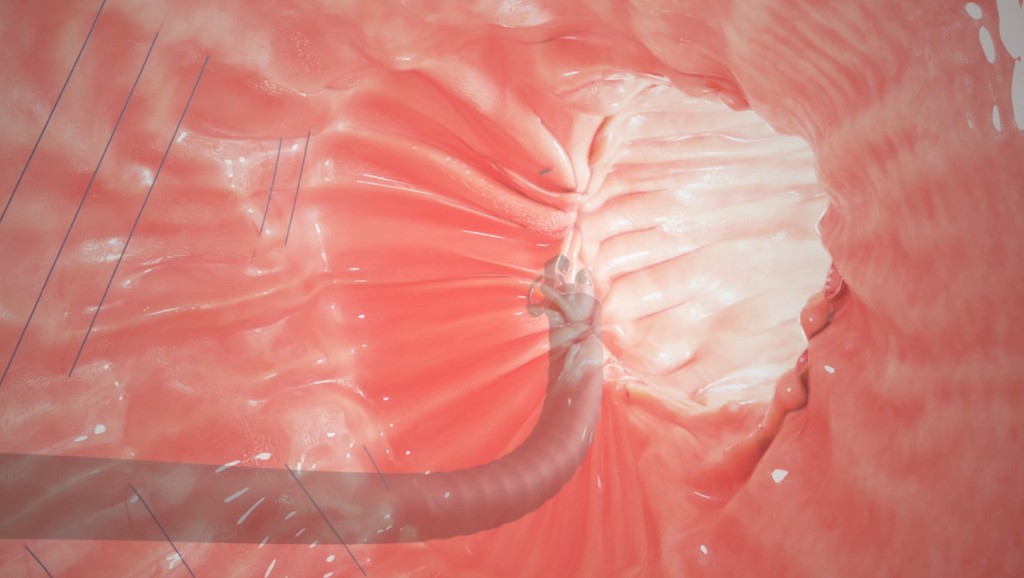
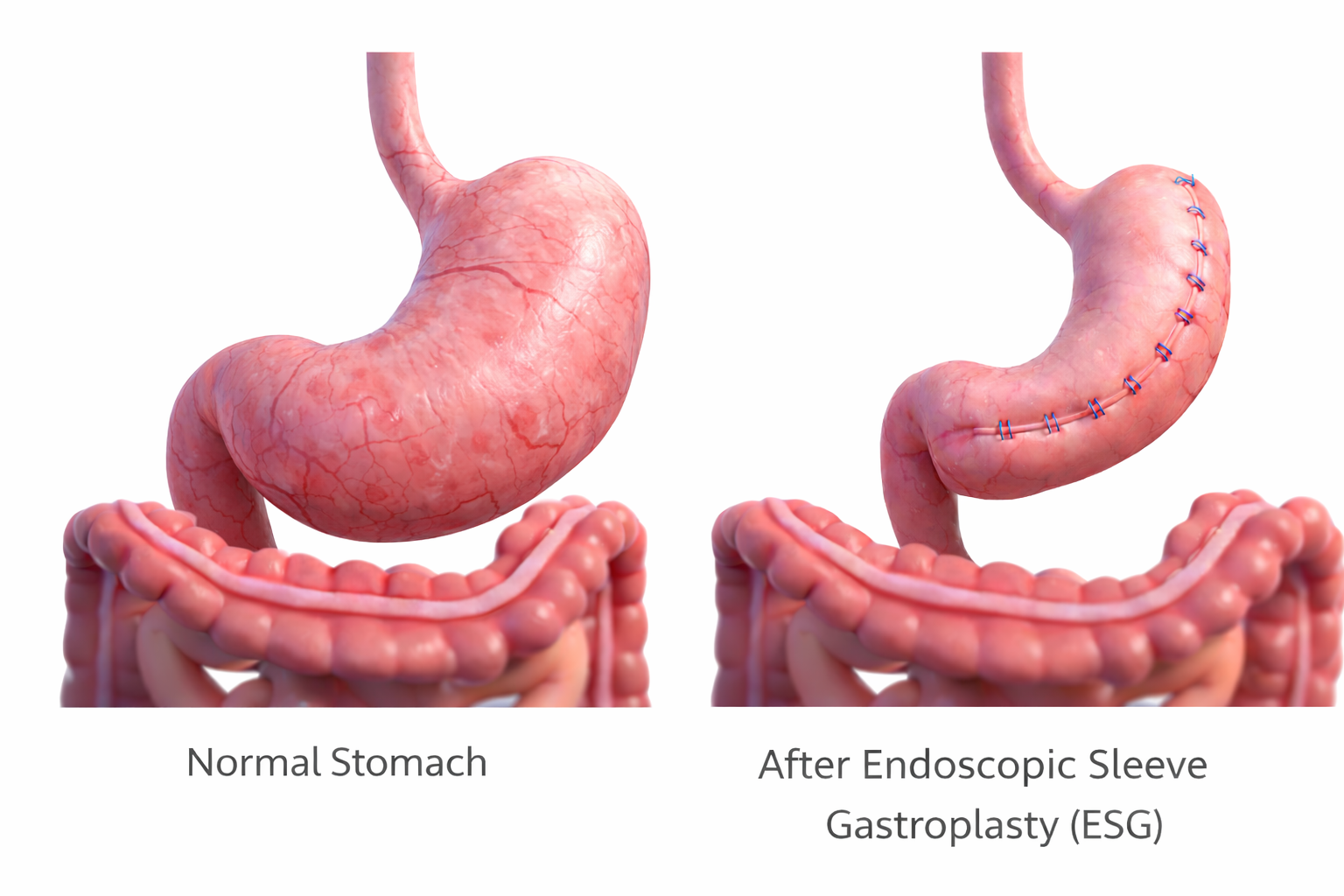
Endoscopic Sleeve Gastroplasty (ESG) reshapes the stomach from within using endoscopic suturing, no abdominal incisions. Despite growing clinical adoption, patients still encounter outdated or inaccurate information. Dr. Kalpit Devani, an interventional gastroenterologist offering endoscopic weight loss in Greenville, South Carolina, addresses five misconceptions that frequently arise during consultation.
Myth 1: ESG Is a Surgical Procedure
ESG is performed entirely through the mouth with a flexible endoscope. The physician places sutures along the stomach wall to narrow its capacity. There are no skin incisions, no stapling across the abdominal wall, and no removal of stomach tissue.
By standard medical definitions, surgery involves structural alteration through incision or destruction of tissue. ESG does not meet that threshold. Procedures are typically completed in an endoscopy suite, the same setting used for colonoscopy or upper endoscopy, rather than a traditional operating room. Recovery is generally faster than with laparoscopic bariatric surgery, though ESG is still a medical procedure with risks that should be reviewed during informed consent.
Myth 2: ESG Is Experimental or Unproven
ESG is not new. The technique has evolved over more than a decade, with peer-reviewed literature dating to approximately 2012 and tens of thousands of procedures performed worldwide. Outcomes, including weight loss, safety profiles, and metabolic effects, have been reported extensively.
The MERIT trial, a prospective multicenter randomized study, demonstrated superior weight loss with ESG compared with lifestyle intervention alone in patients with class 1 and 2 obesity. That evidence supported FDA approval in 2022. ESG carries an assigned procedural (CPT) code; insurance coverage continues to expand. While not every center offers ESG, lack of local availability does not mean the procedure is investigational.
Myth 3: Every ESG Delivers the Same Result
Unlike stapler-based operations where device mechanics are relatively standardized, ESG depends heavily on endoscopic skill. Suturing technique, suture placement, and the total number of sutures influence how durable the gastric restriction will be.
Current U.S. practice patterns generally call for at least six to eight sutures, and many experienced operators use eight or more. Fewer sutures may produce a less robust internal sleeve, with greater risk of gradual dilation and diminished early satiety over time. When evaluating a provider, reasonable questions include procedural volume, complication rates, typical suture count, and follow-up structure. Outcomes correlate with operator experience more than with many other gastrointestinal procedures.
Myth 4: ESG Is Fully Reversible
A properly performed ESG induces scar tissue within the stomach wall that helps maintain the narrowed configuration long after sutures are no longer the primary structural support. That durability is intentional, it supports sustained restriction.
An inadequately constructed ESG may lose effect as sutures loosen, which is not the desired outcome. Theoretically, suture material could be removed endoscopically in select circumstances, but the stomach does not simply return to its original anatomy once fibrosis has formed. Marketing language suggesting easy reversibility can be misleading. What matters clinically is a durable, well-constructed procedure paired with lifestyle change.
ESG is also not the final option in a treatment pathway. After adequate healing, patients who need additional intervention may be candidates for other endoscopic revisions or traditional bariatric surgery when appropriate.
Myth 5: You Cannot Have Bariatric Surgery After ESG
Patients who do not reach their goals after ESG have proceeded to gastric bypass, sleeve gastrectomy, and other bariatric operations in published series and clinical practice. Prior ESG does not automatically disqualify someone from surgery.
Surgeon comfort varies based on familiarity with endoscopic bariatrics. Some may prefer endoscopic removal of visible suture anchors before resection; others may proceed directly. The key point: ESG preserves future surgical options for many patients, which can be an advantage when obesity is managed as a long-term, stepwise process rather than a single intervention.
Choosing an ESG Program
Because technique and follow-up matter, patients benefit from centers that specialize in endoscopic bariatrics and provide structured nutrition and behavioral support. Dr. Devani evaluates candidacy, explains realistic expectations, and coordinates long-term care for patients considering ESG in Greenville and the Upstate. For comparisons with surgical options, see ESG vs. bariatric surgery and life after ESG.
Frequently Asked Questions
Is ESG considered surgery?
No. ESG is an endoscopic procedure performed through the mouth without abdominal incisions. It is typically done in an endoscopy suite with same-day discharge.
Has ESG been studied in clinical trials?
Yes. The MERIT randomized trial and numerous observational studies support its safety and efficacy. ESG received FDA approval in 2022.
Does the number of sutures used in ESG matter?
Yes. Adequate suture count and placement contribute to a durable internal sleeve. Technique and operator experience significantly affect outcomes.
Can I have gastric bypass or sleeve surgery if ESG does not work for me?
In many cases, yes. Prior ESG does not automatically rule out later bariatric surgery, though individual anatomy and surgeon assessment determine the best approach.
Dr. Kalpit Devani, MD, FACP, FACG, FASGE is a board-certified interventional gastroenterologist based in Greenville, South Carolina, specializing in diagnostic and therapeutic EUS, complex ERCP, and endoscopic suturing.
Related Posts
Post-ERCP Pancreatitis in Malpractice Litigation: A Guide for Defense Attorneys
Post-ERCP pancreatitis is the most common ERCP complication and the most common ERCP malpractice claim. What defense counsel should know about risk, causation, and the record.
Read more →Choosing a Gastroenterology Expert Witness for an Advanced Endoscopy Case
Board certification does not tell you whether a gastroenterologist performs ERCP or EUS. How attorneys should evaluate an expert for an endoscopy case.
Read more →What Are Pancreatic Cysts? When to Worry and When to Watch
Pancreatic cysts are often found by chance on CT or MRI. Learn the main types—including IPMN, serous, mucinous, and pseudocyst—how EUS assesses risk, and when to watch vs intervene in Greenville and Upstate SC.
Read more →This article is for educational purposes only and does not constitute medical advice. Please consult your physician for individualized care.